Protecting the climate and the environment, but how? We are working intensively on this question. AGRAVIS is aware of the challenges posed by advancing climate change. It is also part of the value chain. We therefore see our responsibility not only in reducing our own emissions. We are also working to support climate targets in the upstream and downstream sectors.This and all other important terms can be found in the glossary

You can't do without reducing emissions. We want to reduce emissions and use fewer resources – this is an integral part of our climate strategy. In doing so, we are focussing on measures that bring about a genuine and far-reaching reduction in emissions. This is necessary in order to achieve direct and timely climate protection. The impact of the strategies is measurable and takes immediate effect.

To minimise our own carbon footprint as much as possible, we are increasing the proportion of renewable energies. We are also developing solutions to make production processes more efficient.

Reduce your own emissions

The corporate carbon footprint (CCF) is the carbon footprint that represents the total amount of greenhouse gas emissions caused by a company's activities, including direct and indirect emissions.

The focus is on calculating greenhouse gas emissions and energy consumption at the production sites. AGRAVIS has long since established an energy management system to record and optimize energy consumption in individual companies and processes. The increased use of solar energy and other renewable energies as well as the significant increase in self-sufficiency are part of our sustainability strategy.

Through concrete measures, such as our

photovoltaic systems

Renewable energies include wind and solar energy, biomass, geothermal energy and hydropower. They play a key role in the energy transition, the switch to sustainable energy sources. AGRAVIS is also increasing the share of renewable energies in total energy consumption and producing its own solar power. We use this to supply our various company locations.


In 2024, AGRAVIS significantly expanded the photovoltaic systems at its locations – especially at AGRAVIS Ost. The installed capacity rose to 30.7 megawatts - a fourfold increase. The development of solar power used on site should also be emphasized. This share increased to 7.8 million kWh in 2024 - more than ten times the previous year's figure. In the medium term, AGRAVIS aims to produce up to 80 percent of its energy requirements itself. The next step is to build wind power plants at large Group locations.

AGRAVIS is also involved in the production of biogas from liquid manure and dung. Through

TerraSol Wirtschaftsdünger GmbHBioenergie Velen GmbH.

Waste management at AGRAVIS also has a positive impact on the climate and environment. Our aim is to consistently separate waste in order to enable cycles and recycling – and thus reduce residual waste volumes. This reduces the ecological footprint and creates economic incentives through remuneration for unmixed recyclable materials. Particular attention is paid to reducing residual waste, the disposal costs of which are high.

Since 2024, AGRAVIS has developed and implemented new disposal concepts with the support of a waste manager. The waste manager systematically records the waste streams, which creates a reliable data basis that can be used to identify potential for waste reduction. New waste disposal concepts have already been successfully implemented at various locations.

Climate-friendly agriculture

The purchase of goods and services as well as upstream transport and production processes generate greenhouse gas emissions beyond company boundaries. Farmers play a key role in this context. AGRAVIS promotes sustainable activities through partnerships in the upstream and downstream areas. Close cooperation with suppliers, customers and other partners aims to minimise internal and external climate impacts.

Dr Dirk Köckler - Chairman of the Board of Management of AGRAVIS Raiffeisen AG
We want to accompany agricultural businesses into a resource-conserving future, in which the efficiency of animal husbandry, crop production, agricultural technology and energy use is a key prerequisite. As a large agricultural trading company, we work in close partnership with various manufacturers at the side of our customers to achieve this.This and all other important terms can be found in the glossary

Dr Dirk KöcklerAGRAVIS CEO

Creating CO₂ transparency - but how?

Our aim is to support farmers in balancing and reducing greenhouse gases from their agricultural production. AGRAVIS is committed to ensuring that farmers are able to determine the individual carbon footprint of their raw materials and take targeted measures to reduce emissions. To this end, we are already involved in various projects with partners along the value chain:

Taking joint steps to reduce greenhouse gases along the value chain: together with Dutch fertiliser manufacturer

OCI Global


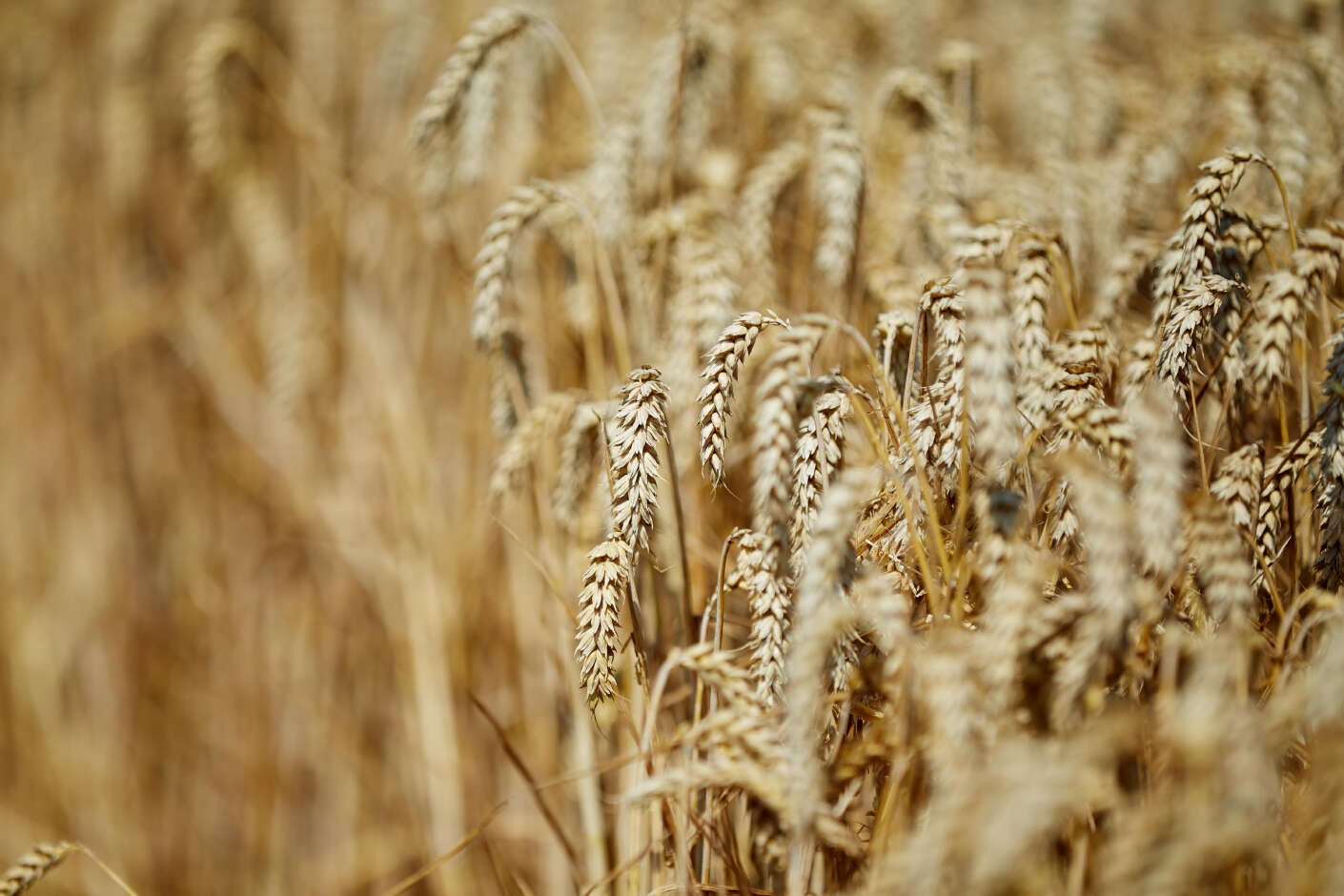
Farmers make their wheat, which was grown with OCI Global's CO₂-reduced nitrogen fertilizer, available for flour production. The amount of emission-reduced baking wheat produced increased tenfold in 2024, providing flour for a total of 25 million loaves of bread.

The carbon footprint of the wheat from each participating farm is then calculated using a tool developed in-house by Veravis GmbH, a subsidiary of AGRAVIS, in accordance with the cradle-to-gate approach. An ISO 14067-verified methodology is used for this purpose. From plant sowing to harvest: everything is mapped - a milestone - but consumers determine the progress of the project with their decisions at the supermarket shelf. In addition, AGRAVIS Ost and its partners SKW Stickstoffwerke Piesteritz, Roland Mills Ost and Lieken are promoting the supply of CO₂-reduced baked goods through the use of green fertilizer.

Another AGRAVIS partner project was recently launched with K+S Minerals and Agriculture GmbH and Nordzucker AG. The partners are aiming to reduce greenhouse gas emissions in sugar beet cultivation through the use of CO₂-reduced potash fertilizer.

The nitrogen fertiliser Entec Evo reduces nitrous oxide emissions by up to 70 per cent: Together with

EuroChem Agro GmbH

The solution for red areas

The new and tested Entec Evo 24+6 S fertiliser stands for sustainable and effective nitrogen fertilisation. Used throughout the entire vegetation, the improved nitrogen efficiency increases yields, increases protein content and reduces nitrous oxide emissions by up to 70 per cent. The fact that the yield and quality remain at the same level with a 20 per cent reduction in nitrogen fertilisation compared to the 100 per cent variant underlines the performance of Entec Evo 24+6 S, which is therefore ideal as a solution for red areas.

Reducing methane emissions from cattle farming with the MX-Konzept: The global community wants to reduce methane emissions by 30 per cent by 2030. Methane is a highly climate-impacting gas and reducing it is the fastest and most effective approach to slowing down global warming.


30 per cent less methane

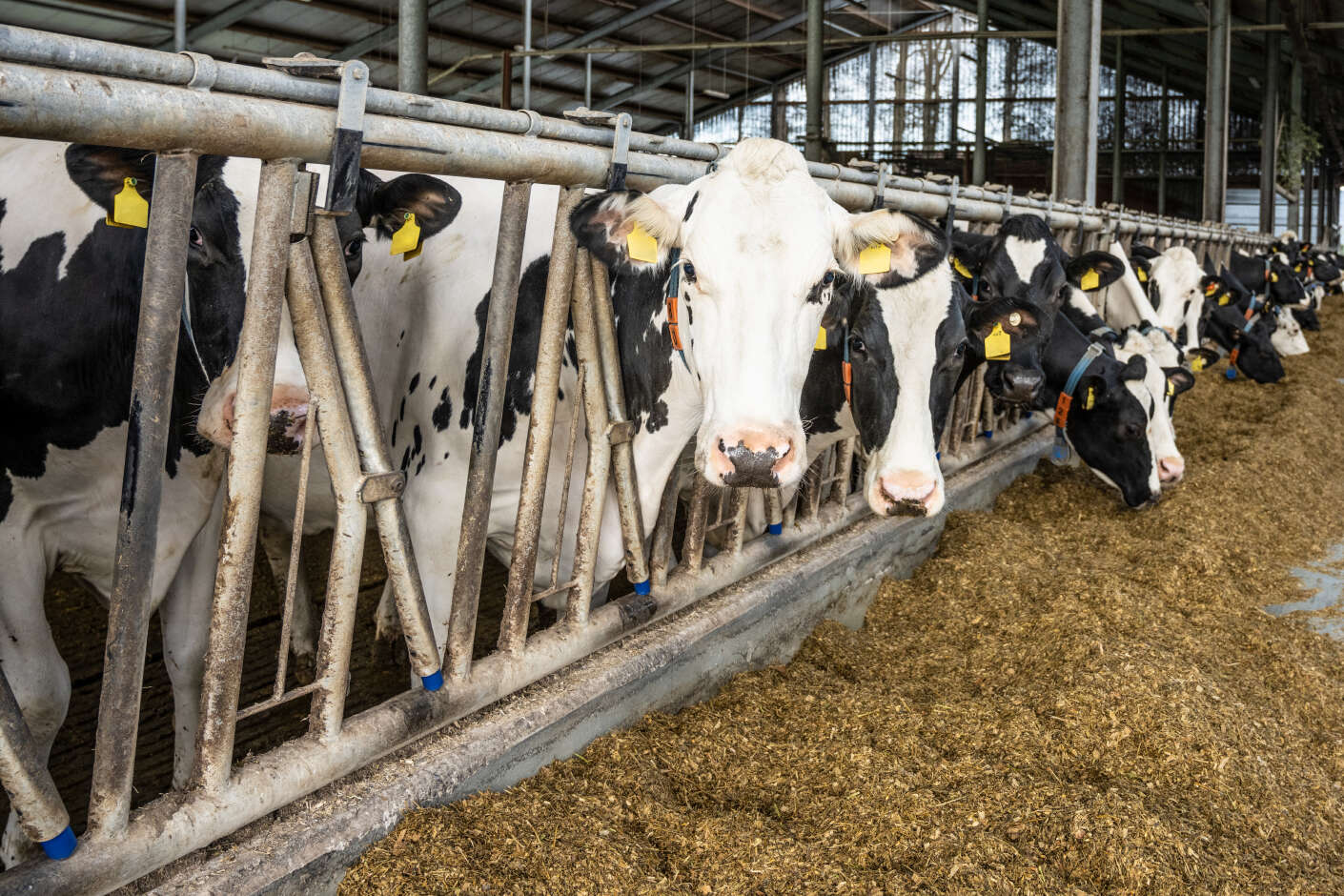
Part of the world's methane emissions come from agriculture, especially from cattle farming. The path is therefore mapped out: Agricultural businesses must reduce methane. To this end, AGRAVIS has further developed its feeding solution, the MX-Konzept: The MX30 concept can reduce methane emissions from cows' rumen by up to 30 per cent.

As a partner to the agricultural sector, AGRAVIS is thus supporting cattle farms in reducing methane and contributing to the fulfilment of climate protection targets. With the MX-Konzept, AGRAVIS combines methane reduction with feed efficiency. This is because cattle absorb carbon with their food and convert it into methane during digestion. This in turn is released into the atmosphere as a greenhouse gas. With the AGRAVIS MX-Konzept, AGRAVIS shortens this cycle: methane formation is reduced and carbon is returned directly to the plants and the soil. This eliminates part of the greenhouse gas effect. At the same time, feed efficiency is increased through optimised rumen synchronisation - benefiting farmers, turning cows into climate savers and our customers into climate heroes.

The product carbon footprints (PCF) of AGRAVIS compound feed - another step towards transparency and sustainability: farmers who purchase compound feed from AGRAVIS can obtain information about their carbon footprint from AGRAVIS experts. To determine the

carbon footprint

The transparency of the carbon footprint for compound feed is a first step towards supporting partners and customers along the value chain and laying the foundation for a holistic assessment of the carbon footprint of regionally produced agricultural products.

Modern technology helps farms to work precisely and efficiently while conserving resources and soil. Innovative technologies in particular, paired with plant cultivation expertise, are opening up new paths towards sustainability in agriculture.

Smart Farming
An important component is site-specific management with the modules from

Raiffeisen NetFarming

Field robotics
Robots support farms in many areas. Machines that autonomously take over sowing and weeding or differentiate between weeds and plants with millimetre precision when spraying do far more than simply save labour time: They help farmers in their endeavours to use resources sparingly and precisely, to protect the environment and resources and to farm sustainably.


Field robotics at AGRAVIS

Field robots are no longer a dream of the future
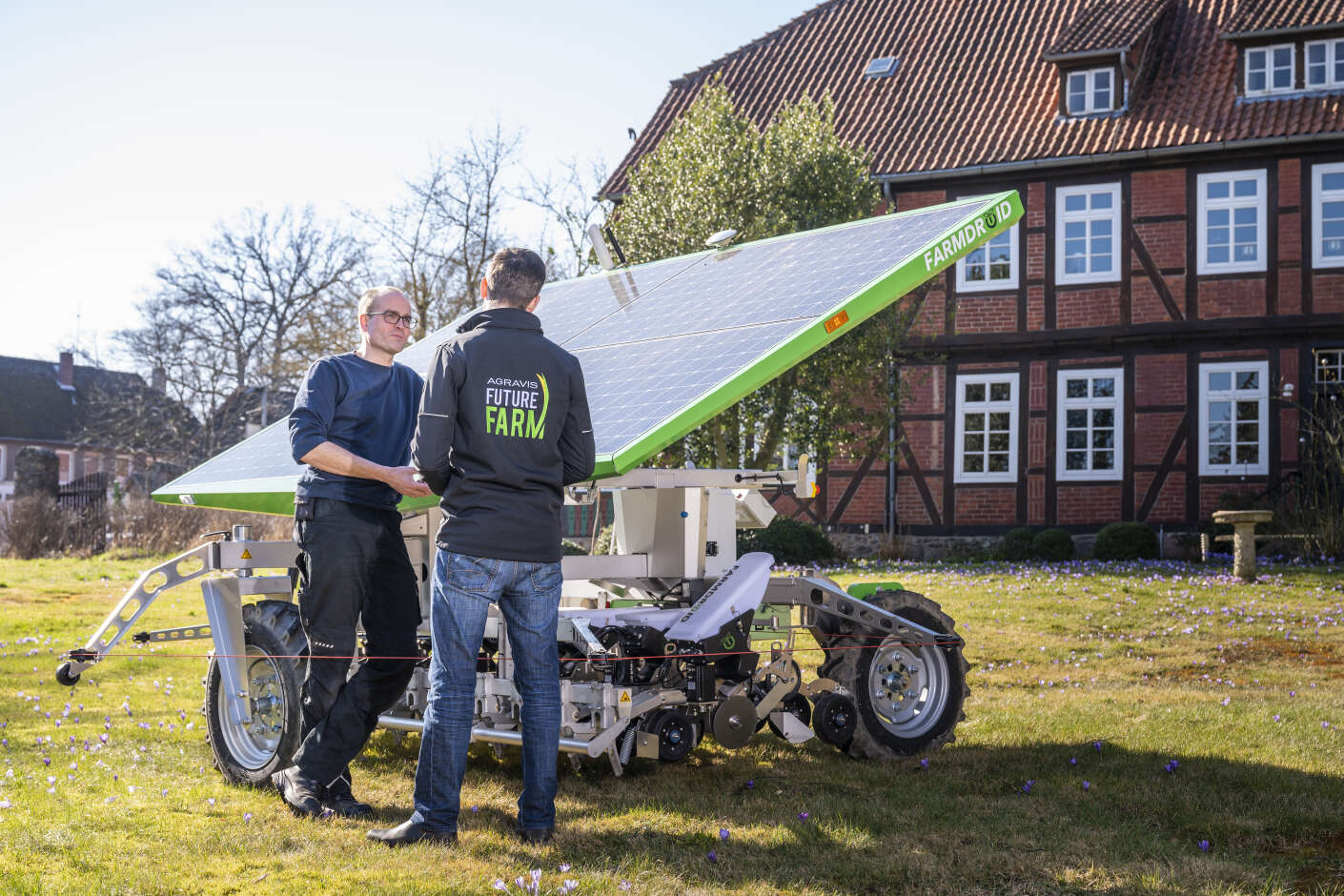
AGRAVIS employees have already realised that field robots that roll across the fields using GPS control or artificial intelligence are no longer a dream of the future. In 2021, they sent various field robots across the fields of the

AGRAVIS Future Farming

Soil-friendly, CO₂-neutral and economical
Their conclusion: the machines are gentle on the soil, are CO₂-neutral and in some cases save a lot of pesticides. With the help of sensors, they recognise weeds and control them mechanically or by precise application. Another important aspect: in the labour-intensive organic sector in particular, field robots help to cushion the increasing labour shortage and secure harvests.

With the new GHG module in the Ackerprofi farm management software, farmers can record the CO₂e footprint of their wheat directly and in a practical manner. AGRAVIS developed the tool in cooperation with Ackerprofi to transparently balance emissions along the entire production process, from soil cultivation to harvest.

Systematic climate protection

The GHG accounting system accesses previously stored operating data and provides a detailed overview of emissions with just a few clicks – initially for wheat, with other crops to follow. The calculation is based on the DIN EN ISO 14067 standard and takes particular account of fertilizer use as a key lever for reducing emissions. This allows reduction potential to be identified and documented in a targeted manner.


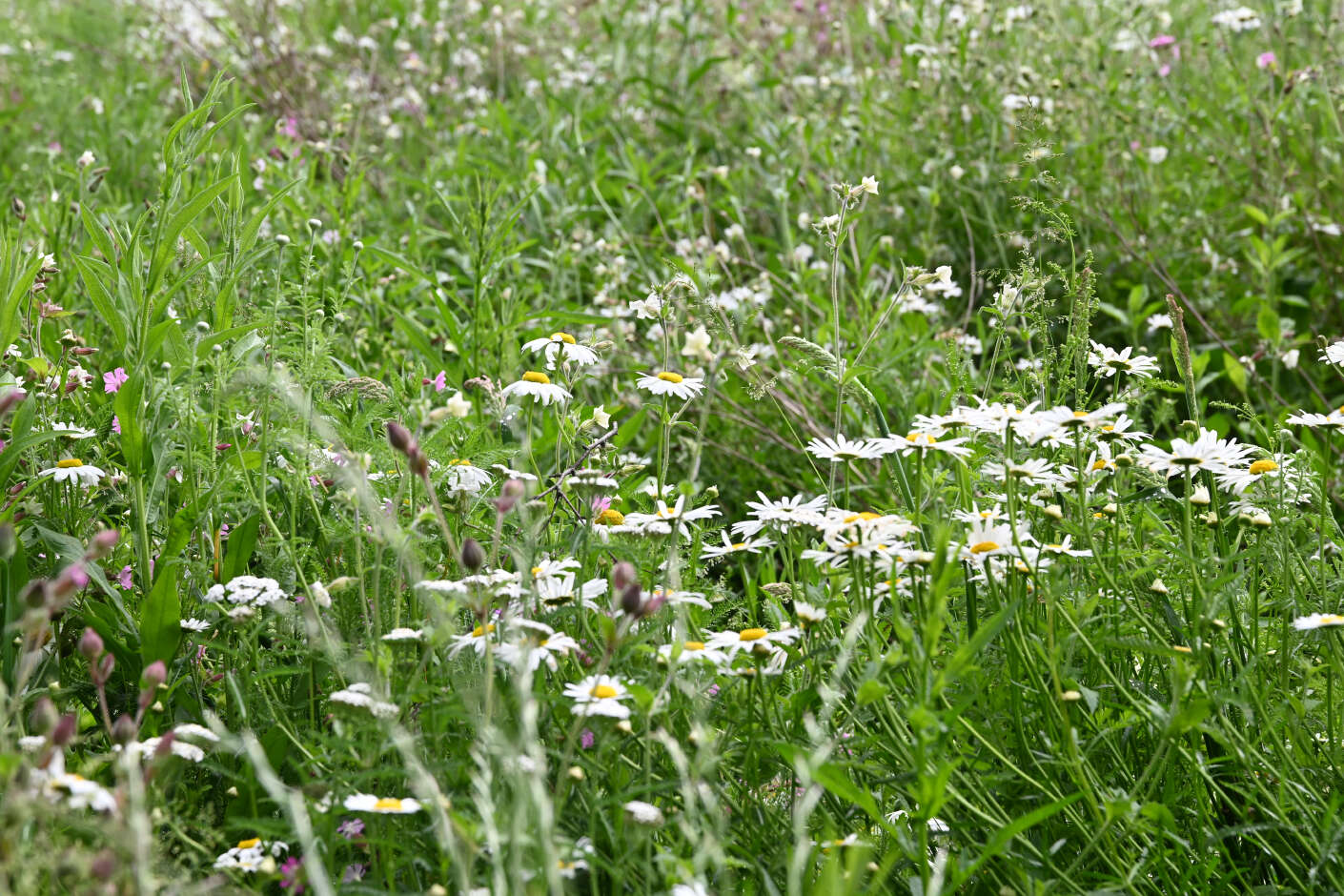
AGRAVIS promotes the preservation of species diversity and biodiversity in the field. To this end, biodiversity measures have been established on the AGRAVIS St. Mauritz experimental farm in Münster. These include perennial flower strips, fallow land and break-off edges that expose different soil layers. Insects, ground beetles, spiders and birds find food and nesting areas there. The measures help to provide farmers with more targeted advice.

Forests in Germany have been severely damaged by past dry years. Spruce trees in particular suffered from a lack of water and bark beetle infestation, which made large-scale clearing necessary, for example in the Hunsrück region. Reforestation is carried out with climate-stable mixed forests, but is made more difficult by funding conditions such as a minimum area size. Smaller areas are often ignored and regenerate more slowly. The poultry feed brand “Landleben” and the dog food brand “Buffo” therefore specifically support reforestation projects in affected communities. A total of 9,000 trees were planted by both brands in 2024. Raiffeisen Forst GmbH is responsible for the implementation and also ensures the care of the young trees.

Contact us

Katharina Rudack

Sustainability manager